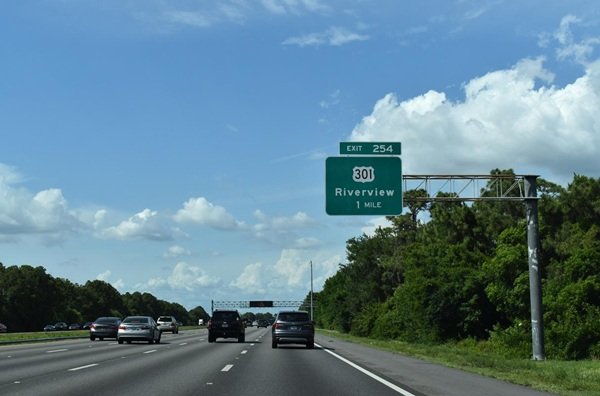
Tree care built around Riverview's master-planned communities, CDD-governed neighborhoods, and ongoing new construction — serving FishHawk Ranch, Panther Trace, South Fork, and Boyette.
Riverview's older core, clustered near US 301 and the Alafia River, has been a settled community for generations. But much of what people picture when they think of Riverview today — the master-planned neighborhoods stretching south and east of that original center — has been built within the last two decades, and large sections are still under active construction right now.
That ongoing growth changes the nature of tree work here compared to a more settled suburb. Newer phases of communities like South Fork and Panther Trace are still transitioning from cleared or agricultural land into finished neighborhoods, which means tree preservation planning, root protection during grading, and coordinating with active builders are far more common requests in Riverview than in an area where development wrapped up years ago.
Many of Riverview's newer communities are also governed by a Community Development District, or CDD, rather than a conventional HOA alone. A CDD is a special local governing structure set up to fund and maintain shared infrastructure — retention areas, conservation buffers, entry landscaping — across a large master-planned community. That adds a layer of coordination beyond a homeowner's own yard, particularly for trees near shared amenities, preserved wetlands, or community-maintained common areas.
The result is a tree care landscape split fairly clearly by age: young, still-establishing trees across much of the newer build-out, set against a smaller, older core near the historic town center where trees have had decades longer to mature.
Riverview spans a wide range of communities, from long-established streets near the historic town center to master-planned neighborhoods still adding new phases.
A large master-planned community with detailed design guidelines covering trees, common areas, and conservation land.
A CDD-governed community with a mix of established sections and newer phases still reaching full landscape maturity.
One of Riverview's larger, more recently developed communities, with active construction continuing in parts of the area.
A mix of larger acreage lots and newer subdivisions on the eastern edge of Riverview's developed area.
The community's original center near US 301, with a longer-established tree canopy than surrounding newer growth.
Properties along the river with soil and drainage conditions shaped by proximity to the waterway.
Because Riverview is still actively growing, tree care requests here tend to fall into two fairly distinct categories depending on how recently a property was developed.
Properties in newer phases of South Fork, Panther Trace, or similar communities often involve trees that are either being preserved through construction or newly planted as part of the finished landscape.
See arborist services for assessment work that typically precedes a construction or grading plan.
Properties in the historic Riverview core near US 301, or in the earlier-built sections of master-planned communities, tend to have more mature trees with different needs.
See tree pruning and stump grinding for the services most requested on these properties.
Master-planned communities in Riverview were typically approved with a formal site plan that set aside conservation areas, wetland buffers, and shared green space as a condition of development. Those designated zones often carry restrictions on tree removal that exist independently of who owns the adjacent property, since the land was preserved as part of the original approval rather than left as ordinary yard space.
A Community Development District adds another layer specific to how these areas are managed day to day. Where a standard HOA usually just enforces landscaping guidelines, a CDD is often the entity actually responsible for maintaining ponds, conservation buffers, and common infrastructure across the community, which means tree work touching those areas may need to go through the district rather than an individual homeowner's request alone.
This distinguishes Riverview from a more conventional Tampa-area suburb: the conservation and buffer requirements here are frequently tied to permits issued when the land was first developed, not just current landscaping preference. Confirming easement and conservation boundaries before planning any significant tree work — whether removal, clearing, or even major pruning near a buffer line — is worth doing early, particularly on newer Riverview lots where these boundaries are still fresh in the community's official records.
Given Riverview's mix of active construction, young landscaping, and a smaller pocket of established older growth, a few specific issues are worth watching for.
Young trees in new construction zones can struggle if root zones were disturbed during grading or utility work.
Heavy machinery working near a tree meant to be kept through construction can compact soil and cause hidden root damage.
Landscaping or clearing that edges into a designated conservation or wetland buffer can create compliance issues.
Properties along the river corridor can see wetter soil conditions that affect root stability over time.
Older, established trees near the original town center may carry more deadwood if maintenance has lapsed over the years.
Newly run utility lines in growing sections of Riverview require professional coordination for any nearby tree work.
A Community Development District is a governing structure common in Florida master-planned communities, responsible for maintaining shared infrastructure such as ponds, conservation areas, and common landscaping. Tree work near CDD-maintained land may require coordination separate from an individual HOA's rules.
Many Riverview communities include designated conservation areas or wetland buffers as part of their original development approval, and removing trees within these zones is typically restricted. Confirming easement boundaries before any removal is important.
Large sections of Riverview were converted from agricultural or undeveloped land within the past couple of decades, so trees on many lots were planted at initial construction and haven't yet reached full maturity.
Development approvals for new phases often include tree preservation or mitigation requirements tied to the original site plan. Confirming requirements with Hillsborough County before clearing is recommended.
Yes. The older Riverview area near US 301 and the Alafia River has a longer settlement history with more established trees, while newer master-planned communities are still in earlier stages of landscape maturity.
Communities like FishHawk Ranch typically have detailed design guidelines covering tree removal, replacement, and common area maintenance, in addition to standard county requirements. Check with the community before starting work.
See the full list of services on the services page, or explore nearby coverage in Brandon and other areas on the service areas page.
Quick Request
Can't connect with us by phone? Message us with the service you need. Send your request and we'll get back to you within 15 minutes.