Tampa, Florida

Storm Cleanup Services in Tampa, FL

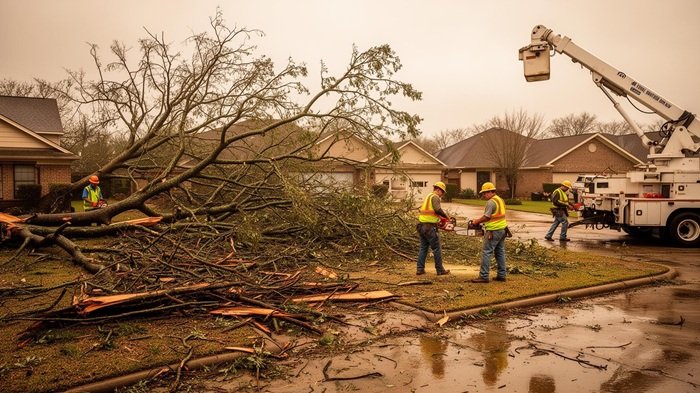
Clearing fallen trees, broken limbs, and storm-related yard debris for homes and businesses across the Tampa area, so a property can get back to normal as quickly as conditions allow.

Storm cleanup service in Tampa, Florida
Post-Storm Property Recovery

Getting a Property Back to Normal

Tampa sits squarely in a part of Florida where thunderstorms, tropical systems, and the occasional hurricane are simply part of living here. Most of the time a storm passes through and leaves nothing more than wet pavement, but a stronger system can leave a yard, parking lot, or commercial lot covered in broken limbs, shredded palm fronds, and in some cases a tree that didn't make it through the wind at all. Storm cleanup is the work of clearing all of that out and restoring a property to a usable, presentable condition.

It's worth drawing a distinction here: storm cleanup is not the same thing as putting out an active fire. If a tree is actively leaning toward a structure or a limb is hanging by a thread over a walkway, that's an immediate hazard best handled through emergency tree removal. Storm cleanup picks up from there — once any immediate danger has been addressed, the broader job of clearing debris, hauling away broken wood, and getting the grounds back in order still has to happen, and that's usually the bigger and more time-consuming part of storm recovery.

Every cleanup job looks a little different depending on how the storm behaved on that particular property. A single downed limb in a side yard is a different scope of work than a half-acre commercial lot with debris scattered across parking spaces, landscaping beds, and a loading area. A walk-through of the site is generally where the process starts, so the actual scope and a written estimate can reflect what's really there rather than a guess.

Scope of Work

What Storm Cleanup Typically Involves

Storm debris tends to fall into a handful of recognizable categories, and knowing which ones apply to a property helps set expectations before a crew ever shows up.

🌪️

Downed Limbs & Branches

Wind-snapped limbs, large and small, scattered across lawns, driveways, and beds after wind events.

🌴

Palm Fronds & Debris

Palms shed fronds heavily in high wind, and the resulting piles can cover walkways and parking areas quickly.

🪵

Fallen Trees

Whole trees that came down during the storm, whether resting on the ground or leaning into another tree or structure.

🚧

Blocked Access Points

Driveways, entrances, and parking lots obstructed by debris, which is often the most urgent issue for a business to resolve.

🧹

Yard & Grounds Debris

Smaller brush, leaves, and broken material spread across lawns and landscaped grounds that still needs to be hauled off.

🏚️

Structural Contact

Limbs or trees resting against a roof, fence, or vehicle, which require careful handling to avoid further damage during removal.

How It Works

Our Storm Cleanup Process

Storm cleanup tends to move in a fairly consistent order, though the pace and scale shift depending on how widespread the damage is.

01

Initial Contact

A quick description of the damage over the phone or through the estimate form helps determine how urgent the situation is.

02

Hazard Check

Anything posing an immediate risk, like a leaning tree or a limb caught on power lines, is flagged and addressed before general cleanup begins.

03

Site Walk-Through

The property is walked to account for the type and volume of debris, access for equipment, and any structures involved.

04

Written Estimate

A scope of work and cost are put together based on what was actually found on-site, not a phone estimate alone.

05

Debris Removal

Limbs, trunks, fronds, and brush are cut down to manageable sections and hauled from the property.

06

Final Grounds Check

Lawns, driveways, and parking areas are checked for remaining debris before the job is considered complete.

Property Types

Residential & Commercial Storm Cleanup

The basic work of clearing storm debris is similar everywhere, but what matters most on a given property tends to differ between a private home and a business.

Residential Storm Cleanup

For homeowners, storm cleanup usually centers on getting the yard, driveway, and any structures clear so daily life can resume. Common priorities include:

  • Clearing driveways and walkways first for basic access
  • Removing limbs and debris from lawns and gardens
  • Careful handling of anything resting on a roof, fence, or vehicle
  • Hauling brush and wood away rather than leaving it curbside indefinitely

Commercial Storm Cleanup

Businesses and property managers are usually working against a different clock — closed entrances or a debris-covered lot can mean lost business or a liability concern. Priorities often include:

  • Clearing parking lots, entrances, and loading areas quickly
  • Addressing debris near tenant or customer walkways
  • Coordinating cleanup timing around business hours where possible
  • Providing documentation of the work for property or insurance records

Properties with recurring maintenance needs across multiple locations may also want to look at commercial tree service for ongoing, scheduled care between storm events.

After the Storm

Insurance, Documentation & What to Expect

Storm damage sometimes overlaps with a homeowners or commercial insurance claim, particularly when a fallen tree has damaged a roof, fence, vehicle, or other structure. Coverage in these situations depends entirely on the specific policy and the cause of the damage, so it's worth contacting the insurance provider directly to understand what applies before or during cleanup.

Where documentation is useful, photos of the damage and a written scope of the cleanup work can be provided to support a claim. That said, decisions about what's covered and what isn't rest with the insurance company, not with the crew doing the cleanup — so it's best to treat any documentation as supporting material rather than a guarantee of reimbursement.

Photo Documentation

Before-and-after photos of debris and any structural contact can be provided on request.

Written Scope of Work

A clear breakdown of what was removed and where, useful for property records or a claim.

Hazard-First Approach

Immediate risks are addressed before general debris cleanup, protecting people and property first.

Realistic Timelines

Honest expectations about scheduling, especially after a storm that's affected a wide area.

Which One Applies

Storm Cleanup vs. Emergency Tree Removal

These two services are closely related and often happen back-to-back on the same property, but they solve different problems. The table below helps clarify which situation fits which service.

SituationStorm CleanupEmergency Tree Removal
Tree is actively leaning toward a structureNot the primary focusAddressed immediately
Broken limbs scattered across the yardTypical scope of workNot usually the focus
Limb hanging precariously overheadNot handled aloneAddressed as a hazard
Downed tree already resting on the groundTypical scope of workMay apply if it's blocking access
Parking lot or driveway covered in debrisTypical scope of workNot the primary focus
Tree resting on a roof or fenceHandled with care once stabilizedAddressed first as an active hazard

In practice, many storm calls involve both — an immediate hazard is stabilized first, then the wider debris cleanup follows. Read more about handling active hazards on the emergency tree removal page, or see how routine tree trimming and arborist assessments ahead of storm season can reduce how much cleanup a storm creates in the first place.

Before the Next Storm

Reducing Storm Damage Before It Happens

Cleanup after a storm is reactive by nature, but a fair amount of storm damage is preventable with the right groundwork done ahead of time. Dead or weakly attached limbs are among the first things to come down in high wind, and removing them during a routine trimming visit means there's simply less material available to fail later.

Trees with known structural issues — a split trunk, a heavy lean, or co-dominant stems prone to splitting — are also worth having looked at by an arborist before hurricane season rather than after a storm has already tested them. An arborist assessment can flag these issues early and recommend pruning, cabling, or in some cases removal, all of which reduce the odds of an emergency call during the next storm.

None of this eliminates storm risk entirely — Tampa's weather is what it is — but a property that's had some preventive attention generally comes through a storm with less debris and fewer surprises than one that hasn't been looked at in years.

Frequently Asked Questions

Storm Cleanup FAQs

What does storm cleanup include?

Storm cleanup generally covers removal of fallen trees and limbs, hauling broken branches and yard debris, and clearing storm-related material from lawns, driveways, and parking areas so a property can return to normal use.

Is storm cleanup the same as emergency tree removal?

They often overlap but aren't identical. Emergency tree removal focuses on an active hazard, such as a leaning or partially fallen tree, while storm cleanup covers the broader task of clearing debris and restoring a property once immediate danger has been addressed.

How soon after a storm can cleanup begin?

Timing depends on storm severity and how many properties in the area need attention at once. Immediate hazards are typically prioritized first, with broader debris cleanup scheduled as soon as conditions and access allow.

Will you remove debris that isn't from trees, like fencing or shed materials?

Tree-related debris such as limbs, trunks, and brush is the primary focus. Non-tree debris may be handled on a case-by-case basis depending on the scope of the job.

Do you work with insurance companies on storm damage claims?

Documentation such as photos and a written scope of work can be provided to support a claim, but coverage decisions are made by the insurance company. Confirm details directly with your provider.

What if a tree fell on a structure during the storm?

A tree resting on a roof, fence, or vehicle needs careful handling since removing it incorrectly can cause additional damage. These situations are treated as an active hazard first, similar to emergency tree removal, before general cleanup continues.

Can storm cleanup be scheduled before a storm arrives?

Preventive work such as removing dead limbs, thinning heavy canopy, and addressing trees with known weaknesses can be done ahead of storm season, which reduces the amount of debris and damage a storm is likely to cause.

Do commercial properties get priority scheduling during widespread storm events?

Scheduling after a major storm depends on the scale of damage across the service area and the number of properties affected at once. Commercial sites with active safety concerns are generally addressed based on the severity of the hazard.

Related Services

Explore Related Tree Services

See the full list of services on the services page, confirm coverage on the service areas page, or reach out through the contact page with any questions.

Dealing With Storm Damage in Tampa?

Request a Free Storm Cleanup Estimate Today