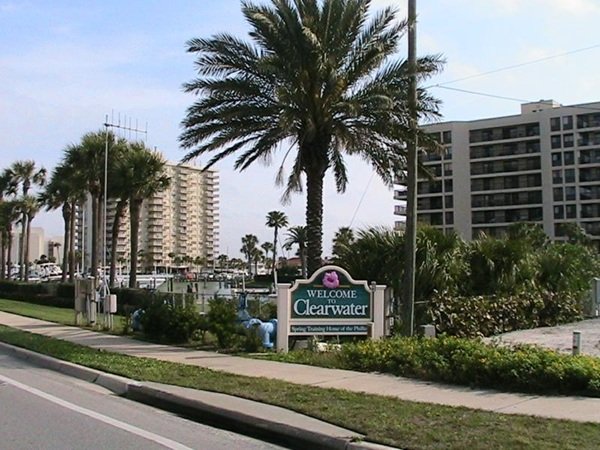
Clearwater, Florida

Tree Service in Clearwater, FL

Tree care built around Clearwater's barrier-island beach vegetation, Clearwater Harbor waterfront lots, and busy commercial corridors — serving Clearwater Beach, Countryside, Coachman Ridge, and the Gulf-to-Bay Boulevard area.

Tree service in Clearwater, Florida
Barrier Island Meets Mainland City

What Makes Clearwater Tree Care Different

Clearwater is really two different landscapes joined by a causeway. Out on Clearwater Beach, the barrier island's sandy, fast-draining soil and near-constant Gulf breeze favor salt-tolerant species like sabal palms and sea grapes, while trees not naturally suited to that exposure can struggle with thin root depth and repeated salt spray, especially during storms. Tree work on the island tends to focus on species-appropriate care and storm resilience more than sheer canopy size.

Back on the mainland, Clearwater is a larger, more built-out city than many of the smaller communities nearby, with a mix of long-established residential neighborhoods, newer subdivisions, and a busy commercial spine running along Gulf-to-Bay Boulevard and similar corridors. Commercial properties along these roads often have landscaping tied to their original site plan approval, which means tree work there can involve more than just deciding what needs to come down — it can mean checking what a property is actually required to keep.

Clearwater Harbor and the Intracoastal side add a third setting again. Waterfront homes along the harbor face some of the same seawall and sandy-soil considerations as canal-front properties elsewhere in the region, but with more direct exposure to open water and the wind that comes with it. A tree that's been fine for years along the harbor can become a real storm-season risk if root conditions have quietly shifted.

Between the island, the commercial corridors, and the harbor, Clearwater doesn't have one typical tree-care scenario — the right approach depends heavily on which part of the city a property sits in.

Areas We Serve

Clearwater Areas We Serve

Clearwater's mix of barrier island, mainland neighborhoods, and commercial corridors creates a genuinely varied set of tree-care settings.

Clearwater Beach

Barrier-island properties with sandy soil, salt exposure, and species like sabal palms and sea grapes.

Clearwater Harbor Waterfront

Mainland harbor and Intracoastal-facing homes dealing with seawalls and open-water wind exposure.

Countryside

An established residential area with a fuller, more mature suburban tree canopy.

Coachman Ridge

A long-standing residential neighborhood with landscaping shaped by decades of growth.

Gulf-to-Bay Commercial Corridor

Retail and office properties where tree work often ties back to original site landscaping requirements.

Two Distinct Environments

Barrier Island vs. Mainland Properties

Most tree work in Clearwater falls into one of two very different environments, split by the causeway connecting the beach to the mainland.

Clearwater Beach & Barrier Island

Properties on the island deal with salt spray, sandy soil, and direct Gulf wind exposure that shape both species selection and storm preparation.

  • Species-appropriate trimming for palms and salt-tolerant trees
  • Storm-focused pruning ahead of hurricane season
  • Root evaluation in shallow, sandy island soil
  • Debris cleanup after Gulf-driven storms

See palm tree services for the species-specific care common on the island.

Mainland Residential & Commercial Properties

Homes and businesses on the mainland side deal with a wider range of tree ages, sizes, and, for commercial sites, landscaping obligations tied to site approval.

  • Structural pruning for mature neighborhood shade trees
  • Landscaping review for commercial corridor properties
  • Risk assessment for older, established canopy trees
  • Routine trimming for newer subdivision landscaping

See commercial tree service and tree trimming for mainland-focused work.

Site-Specific Planning

Salt Air, Seawalls & Commercial Site Requirements

Tree work on Clearwater Beach has to account for conditions that simply don't apply a few miles inland. Salt spray carried in off the Gulf can affect foliage and long-term canopy health even on species that generally tolerate it, and sandy, fast-draining soil gives many island trees less root depth to work with than a mainland yard. Pruning decisions on the island are often made with the next storm season in mind as much as the tree's current appearance.

Harbor-front and Intracoastal properties raise a related but distinct issue: trees growing near a seawall can develop root systems that interact with the wall structure itself, and open-water wind exposure along the harbor can be more direct than on a sheltered inland lot. A structural assessment before major work near the water helps catch problems that aren't obvious from a quick look at the canopy.

Commercial properties along corridors like Gulf-to-Bay Boulevard bring in a different consideration entirely: site plan and landscaping requirements. Larger trees on a developed commercial parcel may have been part of what the city required as a condition of approval, which means removal or major trimming can call for more than a standard estimate. Confirming a property's obligations with the city before scheduling major commercial tree work helps avoid complications later.

What To Watch For

Signs Worth a Closer Look in Clearwater

Between salt-exposed island trees, harbor-front seawalls, and mature mainland canopy, a few specific warning signs are worth watching for across Clearwater.

🌴

Salt-Stressed Foliage on the Island

Browning or thinning fronds and leaves on beach-side trees can point to cumulative salt exposure rather than a passing issue.

⚓

Roots Near a Harbor Seawall

Visible root growth along a seawall can signal a tree that's begun affecting the structure itself.

🌳

Aging Trees in Established Neighborhoods

Mature canopy in areas like Countryside and Coachman Ridge can carry hidden decay after decades of growth.

🏢

Overgrown Trees on Commercial Sites

Canopy blocking signage, sightlines, or parking areas may create liability concerns beyond the tree's own health.

🌬️

Wind-Exposed Harbor Trees

Trees along open harbor stretches face more direct wind than sheltered inland lots, accelerating structural wear.

📐

Leaning Trees After a Storm

A new or worsening lean following high winds is worth a structural check, especially on island or harbor-front lots.

Frequently Asked Questions

Clearwater Tree Service FAQs

Do trees on Clearwater Beach need different care than mainland trees?

Barrier-island properties face direct salt spray, sandy soil, and stronger wind exposure than mainland lots, which favors salt-tolerant species like sabal palms and sea grapes but can stress trees not naturally suited to those conditions. Root systems on the island also have less soil depth to work with in many areas.

Are there tree protection rules in Clearwater's commercial corridors?

Commercial properties along corridors such as Gulf-to-Bay Boulevard may be subject to landscaping and tree preservation requirements tied to site plan approval, particularly for larger existing trees on a developed parcel. Confirming requirements with the city before removal or major trimming on a commercial site is worthwhile.

Do Clearwater Harbor waterfront properties require special tree assessments?

Homes along Clearwater Harbor and the Intracoastal Waterway can have trees growing near seawalls or in sandier, more saline-influenced soil than inland lots, both of which are worth factoring into a structural assessment before major removal or pruning near the water.

How does hurricane risk affect tree planning differently on the barrier island versus inland Clearwater?

Barrier-island properties are more directly exposed to storm surge and sustained high winds during a hurricane, which can affect both tree selection and how aggressively a property owner should prune ahead of the season. Inland Clearwater neighborhoods, while still at risk, typically have more wind buffering from surrounding structures and tree cover.

Do established neighborhoods like Countryside have different tree needs than newer development?

Older, established Clearwater neighborhoods often have a fuller, more mature tree canopy that needs periodic structural pruning and risk assessment, while newer developments tend to have younger trees that mainly require routine shaping as they continue to grow into their space.

What permits are required to remove a tree in Clearwater?

The City of Clearwater regulates removal of certain protected trees on private property, and requirements can vary between residential and commercial parcels. Confirming with the city's permitting office before removal helps avoid delays, particularly for larger or specimen trees. See contact or service areas for more.

Related Services

Services Commonly Requested in Clearwater

See the full list of services on the services page, or explore nearby coverage in Safety Harbor and other areas on the service areas page.

Need Tree Service in Clearwater?

Request a Free Estimate Today