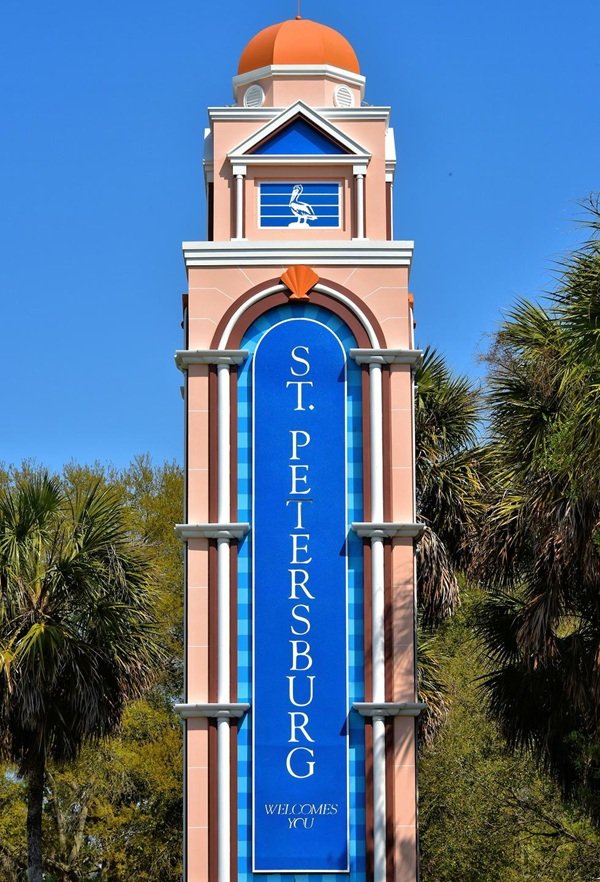
St. Petersburg, Florida

Tree Service in St. Petersburg, FL

Tree care shaped by St. Petersburg's waterfront exposure, salt-tolerant species needs, and historic brick-street neighborhoods — serving Old Northeast, Historic Kenwood, Crescent Lake, Shore Acres, and Snell Isle.

Tree service in St. Petersburg, Florida
A Peninsula City, Not a Landlocked One

What Makes St. Petersburg Tree Care Different

St. Petersburg sits on a peninsula bordered by Tampa Bay to the east and the Gulf of Mexico to the west, which means a much larger share of its residential canopy grows within reach of salt air, brackish groundwater, or an actual seawall than in more inland parts of the region. That coastal exposure changes which species tend to thrive, which ones struggle, and how much attention waterfront properties need compared to a yard several miles inland.

St. Petersburg is also its own incorporated city with its own municipal tree protection rules, separate from Tampa and Hillsborough County across the bay. Because St. Petersburg falls within Pinellas County rather than Hillsborough, permit requirements, protected species lists, and removal procedures here follow the city's own code rather than the rules that apply on the Tampa side — something worth confirming directly with the city before any removal on a St. Petersburg property.

The city's older core neighborhoods add a further wrinkle. Streets in areas like Old Northeast were laid with brick decades ago and remain in place today, lined with mature oaks whose root systems have grown alongside — and sometimes beneath — that brick surface for most of a century. Equipment access and root work in these neighborhoods has to account for a street surface that's both historic and, in places, more fragile than modern asphalt.

Between the waterfront exposure on one side of the city and the historic brick-lined core on the other, St. Petersburg presents a genuinely different set of planning questions than a typical inland Tampa Bay suburb — starting with which species belong on a given lot in the first place.

Neighborhoods

St. Petersburg Neighborhoods We Serve

St. Petersburg's residential character shifts noticeably from its historic inland core to its waterfront edges, and each pocket brings its own tree care considerations.

Old Northeast

Brick-lined streets and a dense canopy of mature oaks planted throughout the early 20th century.

Historic Kenwood

A bungalow district with a mix of established shade trees and smaller, closely spaced lots.

Crescent Lake

Homes bordering the neighborhood's namesake lake, where soil moisture varies by proximity to the water.

Shore Acres

A low-lying, canal-front community with direct water access and higher exposure to storm surge.

Snell Isle

Waterfront estate lots along Tampa Bay, often featuring specimen palms and seawall-adjacent plantings.

Two Different Environments

Waterfront vs. Inland Tree Care in St. Petersburg

A tree's proximity to open water changes almost everything about how it's cared for in St. Petersburg, from species selection to storm preparation.

Waterfront & Canal-Front Properties

Lots along Tampa Bay, the Gulf, or interior canals in areas like Snell Isle and Shore Acres deal with a distinct set of pressures on their trees.

  • Salt spray tolerance and leaf burn on exposed canopy
  • Root growth near seawalls and dock structures
  • Storm surge exposure during major weather events
  • Wind load from open water with less windbreak nearby

See arborist services for species-appropriate evaluations on waterfront lots.

Inland & Historic Core Properties

Neighborhoods like Old Northeast and Historic Kenwood sit farther from open water, with different priorities driven by age and density.

  • Mature oak canopy management on decades-old street trees
  • Root systems interacting with historic brick paving
  • Structural pruning on trees with a long, untouched growth history
  • Clearance work on closely spaced bungalow-era lots

See tree pruning for the structural work most common on these older trees.

A Coastal Species Concern

The Australian Pine Issue on St. Petersburg Waterfronts

Among the species most associated with St. Petersburg's waterfront lots, the Australian pine stands out for reasons that aren't in its favor. It's a fast-growing, feathery-looking tree that was widely planted along Florida's coastlines decades ago for quick shade and a windbreak effect, but it's non-native and is now classified as invasive in the state.

The practical concern for property owners isn't just ecological — it's structural. Australian pines tend to develop shallow, wide-spreading root systems rather than the deeper anchoring found in many native hardwoods, and their dense, top-heavy canopy catches a disproportionate amount of wind for the support their roots actually provide. On exposed bayfront and Gulf-adjacent lots in places like Snell Isle, this combination makes them more prone to toppling in high winds than a comparable native species would be, and a mature specimen close to a home or seawall carries real risk once conditions turn.

Removal or replacement with a better-suited species is a common request on older St. Petersburg waterfront properties for exactly this reason — see tree removal for how removal is approached on lots where structures, docks, or seawalls are close by.

What To Watch For

Signs Worth a Closer Look in St. Petersburg

Given the mix of waterfront exposure and older inland canopy across the city, a handful of warning signs are worth keeping an eye on depending on where a property sits.

🌊

Salt Burn on Foliage

Browning or scorched-looking leaf edges on waterfront trees can point to salt spray stress, especially after a windy stretch off the bay.

🌴

Root Heave Near Seawalls

Cracking or lifting pavers and seawall caps near a mature tree can indicate roots pushing against nearby structures.

🌳

A Leaning Australian Pine

Any visible lean on this species deserves prompt attention given its shallow root structure and storm vulnerability.

🧱

Brick Lifting Near Old Northeast Trees

Uneven or raised brick sections near a mature oak's base often reflect decades of root growth beneath the street.

🌀

Post-Surge Canopy Decline

Trees in low-lying areas like Shore Acres may show delayed stress weeks after a storm surge event, even without visible damage at first.

🍃

Thinning Canopy on Older Shade Trees

A once-full canopy that's noticeably thinning on a decades-old street tree warrants a structural and health check.

Frequently Asked Questions

St. Petersburg Tree Service FAQs

Does the City of St. Petersburg have its own tree removal rules?

Yes. St. Petersburg sits in Pinellas County and follows its own city tree protection requirements, separate from Tampa and Hillsborough County. Certain protected species and specimen-size trees may require a permit before removal, even on private property.

Are Australian pines a problem for St. Petersburg waterfront properties?

Australian pines are a fast-growing, non-native species common along parts of the Pinellas coastline and are considered invasive in Florida. Their shallow, brittle root systems make them more prone to toppling in high winds than native hardwoods.

Can salt exposure damage trees near the waterfront in St. Petersburg?

Yes. Salt spray and occasional storm-surge flooding can stress trees not well suited to coastal conditions, showing up as leaf burn, dieback, or slowed growth.

Do brick streets in Old Northeast affect tree work?

Yes. Heavy equipment on historic brick streets needs careful positioning to avoid damaging the surface, and root systems in these older neighborhoods have often grown around or beneath the brick base over many decades.

Can tree roots damage a seawall in St. Petersburg?

Trees planted close to a seawall can develop root systems that push against or grow into the structure over time, particularly fast-growing or invasive species. A placement assessment can identify the risk to nearby seawalls or docks.

Are storm surge zones in St. Petersburg more prone to tree damage?

Trees in low-lying, surge-prone areas closer to Tampa Bay or the Gulf can be affected by saltwater intrusion into the soil during a major storm, stressing the root system even if the tree survives the storm itself.

Related Services

Services Commonly Requested in St. Petersburg

See the full list of services on the services page, or explore nearby coverage in West Tampa and other areas on the service areas page.

Need Tree Service in St. Petersburg?

Request a Free Estimate Today