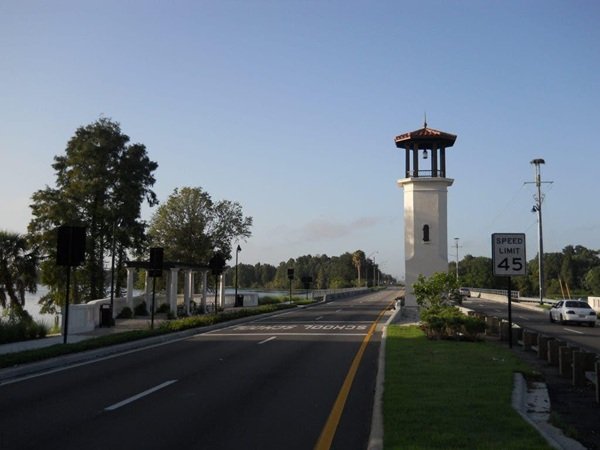
Temple Terrace, Florida

Tree Service in Temple Terrace, FL

Tree care built around Temple Terrace's pine-oak canopy, Hillsborough River floodplain lots, golf course-adjacent properties, and rental housing near USF — served by its own city permitting process, separate from Tampa.

Tree service in Temple Terrace, Florida
A City of Its Own, Planted With Intent

What Makes Temple Terrace Tree Care Different

Temple Terrace isn't a Tampa neighborhood — it's a separately incorporated city with its own government, planning department, and permitting process, and that distinction matters for anyone dealing with tree work here. Ordinances that apply in Tampa or unincorporated Hillsborough County don't automatically apply inside Temple Terrace's city limits, so tree removal rules need to be confirmed with the City of Temple Terrace directly rather than assumed from what applies elsewhere in the area.

The city's origin also shapes its tree canopy in a specific way. Temple Terrace was developed in the 1920s as a planned golf and citrus resort community, with curvilinear streets laid out around a golf course rather than a standard grid. Much of the original landscaping — both along residential streets and around the course itself — included a deliberate mix of pines alongside the live oaks more commonly associated with older Tampa neighborhoods. That pine presence is a meaningful difference: pines fail differently than oaks under wind stress, and inspecting a pine for hazard signs isn't quite the same process as inspecting an oak.

The Hillsborough River runs along a significant stretch of Temple Terrace, and properties near its banks deal with periodic soil saturation and, during heavy rain, localized flooding that inland lots don't face in the same way. Add in the city's proximity to the University of South Florida, which has turned a meaningful share of Temple Terrace's housing stock into off-campus rental property, and the range of tree care situations here is broader than a single-family suburb of comparable size.

None of this changes the fundamentals of good tree care — trimming, pruning, and health assessments still follow the same principles. It does mean the specifics — species, permitting authority, soil conditions, and property use — are worth getting right for a Temple Terrace property specifically.

Areas We Serve

Areas of Temple Terrace We Serve

Temple Terrace's layout, built around its golf course and river frontage, creates a few distinct property contexts across the city.

Golf Course-Adjacent Streets

Homes bordering the Temple Terrace Golf and Country Club, many with mature pines and oaks from the original 1920s course landscaping.

Hillsborough River Frontage

Properties along the river dealing with periodic soil saturation and, during heavy rain, localized flooding near the banks.

USF-Adjacent Rental Corridor

Housing near the University of South Florida with a high share of rental and off-campus student properties.

Original Curvilinear Street Grid

The city's historic core, laid out with curving streets rather than a standard grid, carrying much of the older pine-oak mix.

Newer Residential Infill

More recently built homes on lots without the same original tree canopy, often with younger, still-establishing trees.

Two Common Situations

Legacy Landscaped Lots vs. Rental & Investment Properties

Tree care requests in Temple Terrace tend to fall into two fairly distinct groups, shaped by how long a property has been owner-occupied and where it sits relative to the golf course and river.

Golf Course & Riverfront Lots

Long-owned homes near the course or the Hillsborough River often carry decades-old pines and oaks that were part of the original landscape plan, with structural condition and soil moisture as ongoing concerns.

  • Pine-specific hazard inspection alongside oak assessment
  • Root stability review near riverbanks and course water features
  • Canopy clearance from fairways, cart paths, and course sightlines
  • Preventive trimming ahead of storm season

See arborist services for the structural review work common on these properties.

Rental & Investment Properties Near USF

Off-campus rental housing near the university often needs tree work coordinated around tenant occupancy and landlord maintenance obligations rather than a single owner's schedule.

  • Hazard tree removal ahead of lease turnover
  • Trimming for clearance around rooflines and shared driveways
  • Documentation for landlord or property management records
  • Scheduling flexibility around tenant occupancy

See commercial tree service for coordination across multiple rental properties.

Species-Specific Risk

Pine Trees vs. Oak Trees in Temple Terrace

Temple Terrace's pine population, a legacy of its original golf-and-citrus community landscaping, brings a different risk profile than the oak-dominant canopy found in much of Tampa's historic core. Pines tend to fail as a whole tree — uprooting or snapping partway up the trunk — rather than losing individual limbs the way an oak more commonly does. That failure mode tends to happen with less visible warning, particularly in saturated soil after heavy rain, which is a real consideration for pines along the riverfront or in low-lying areas of the golf course.

Oaks, by comparison, more often show gradual signs of decline — dead limbs, fungal growth, thinning canopy — before a serious failure occurs, giving more opportunity to catch a problem through regular inspection. A property with both species, common throughout Temple Terrace, benefits from an assessment that treats each tree according to its own typical failure pattern rather than applying one standard checklist to every tree on the lot.

This distinction matters most heading into hurricane season, when wind and saturated soil combine to create the conditions pines are most vulnerable to. Preventive inspection of mature pines before storm season, alongside the structural pruning oaks typically need, covers both risk profiles rather than favoring one over the other.

What To Watch For

Signs Worth a Closer Look in Temple Terrace

Given the mix of pines, riverfront soil conditions, and rental housing turnover common in Temple Terrace, a few specific signs are worth watching for.

🌲

Pine Trees Leaning After Heavy Rain

A pine with a new or worsening lean following saturated soil conditions deserves prompt attention, since pines can fail with less warning than oaks.

🌊

Standing Water Near Root Zones

Riverfront lots with water pooling around a tree's base for extended periods can see reduced root stability over time.

⛳

Deadwood Overhanging Fairways

Dead limbs on golf course-adjacent trees are a hazard to golfers and course maintenance staff, not just the property owner.

🏠

Overgrowth at Rental Properties

Deferred maintenance on tenant-occupied properties often shows up as overgrown canopy that hasn't been addressed between leases.

🍄

Fungal Growth at a Pine's Base

Conks or mushrooms near a pine's trunk can indicate root or trunk decay well before any visible canopy change.

📐

Trees Leaning Toward Homes or Cart Paths

An increasing lean near a structure or shared golf course infrastructure warrants a professional structural review.

Frequently Asked Questions

Temple Terrace Tree Service FAQs

Does Temple Terrace have its own tree removal rules, separate from Tampa?

Yes. Temple Terrace is a separately incorporated city with its own government, so tree removal permits and ordinances are handled through the City of Temple Terrace rather than Tampa or Hillsborough County directly. Confirm requirements with the city before removing a protected tree.

Why does Temple Terrace have so many pine trees?

Temple Terrace was developed in the 1920s as a planned golf and citrus community, and many older streets and the golf course itself were landscaped with a mix of pines alongside live oaks. Pines carry a greater tendency toward whole-tree failure in saturated soil or high wind.

Are properties near the Hillsborough River in Temple Terrace prone to tree issues?

Lots backing onto the river can experience periodic saturated soil and, during significant rain, localized flooding, both of which can affect root stability. These trees may benefit from more frequent structural review after heavy rain.

Do golf course-adjacent homes have different tree care needs?

Homes bordering the Temple Terrace Golf and Country Club often have mature trees from the original course landscaping, and canopy or deadwood extending toward fairways or cart paths may need attention for safety and course visibility.

Who is responsible for tree care at rental properties near USF?

Tree maintenance responsibility is typically outlined in the property's lease or management agreement, and landlords generally remain responsible for addressing hazardous trees regardless of tenant occupancy. See commercial tree service for coordination across rental properties.

Are pine trees more dangerous than oak trees in a storm?

Pines and oaks fail differently under wind stress. Pines are more prone to snapping or uprooting as a whole tree, especially in saturated soil, while oaks more often lose individual limbs. Both risks are worth addressing with species-appropriate inspection.

Related Services

Services Commonly Requested in Temple Terrace

See the full list of services on the services page, or explore nearby coverage in New Tampa and other areas on the service areas page.

Need Tree Service in Temple Terrace?

Request a Free Estimate Today