Tampa, Florida

Emergency Storm Damage Cleanup in Tampa, FL

Rapid response for the most urgent aftermath of severe weather — blocked access, downed trees, and hazards that can't wait for a routine appointment.

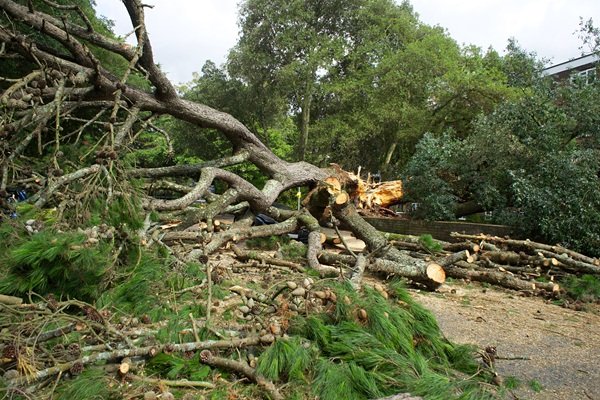
Emergency storm damage cleanup in Tampa, Florida
Rapid Response

When Storm Damage Can't Wait

Some storm damage is an inconvenience. A few branches on the lawn, some scattered leaves, maybe a bent shrub — that can sit for a day or two without causing a problem. Then there's the other kind of storm damage: a tree resting across a driveway with no other way in or out, a limb hung up in the branches above a walkway, or a trunk leaning further with every gust. Emergency storm damage cleanup is built around that second category — situations where the damage itself, or the debris it left behind, is creating a real and immediate problem for the property.

This service sits alongside two others on the site that solve related but distinct problems. Emergency tree removal is the right call when a specific tree is the danger — leaning, cracked, or partially fallen. Storm cleanup covers the broader, less time-critical work of clearing yard debris and restoring a property once nothing is actively dangerous. This page sits in between: the rapid-response work of clearing whatever is blocking access or posing a hazard right now, so the property is safe and usable again while the rest of the cleanup gets scheduled.

Every storm behaves differently, and so does every property's exposure to it. A single-story home with mature oaks in the yard faces a different kind of risk than a commercial lot lined with rows of palms. What stays consistent is the approach: figure out what's actually dangerous or blocking, deal with that first, and worry about the rest once the immediate risk is gone.

Local Context

Storm Season in the Tampa Area

Florida's hurricane season runs roughly from June through November, and Tampa sees its share of tropical systems, strong thunderstorms, and straight-line wind events during that stretch. Even outside of a named storm, summer afternoon storms can bring gusts strong enough to bring down weak limbs or shallow-rooted trees with little warning.

Because of that, storm damage isn't a once-a-year concern for most properties in the area — it's something that can come up several times across a single season, sometimes in the space of a week if multiple systems move through back to back. Knowing which kind of damage needs an immediate response and which can wait for a scheduled visit helps property owners react appropriately each time, rather than treating every downed branch as an emergency or, worse, ignoring something that genuinely needs quick attention.

Before Help Arrives

What to Avoid Immediately After a Storm

The period right after a storm passes is often the most dangerous time on a damaged property, simply because the full extent of the damage isn't obvious yet. A few precautions can make a real difference while waiting for a proper assessment.

⚡

Stay Away From Power Lines

Any tree or limb in contact with a power line should be treated as energized until a utility crew confirms otherwise.

⚠️

Don't Walk Under Hanging Limbs

A cracked or partially broken limb caught in the canopy above can drop with no warning, even hours after the wind has died down.

🪢

Avoid Debris Under Tension

Branches pinned or bent under the weight of a fallen tree can spring back violently once cut or shifted without the right technique.

🚗

Keep Vehicles Clear

A leaning tree near a driveway or parking area may still be settling, so it's worth keeping cars at a distance until it's been assessed.

🧒

Keep Children & Pets Away

Storm-damaged trees and debris piles are not safe places to play, even if the immediate danger looks like it's passed.

📞

Call Before Cutting

Attempting to cut a leaning tree or a limb under load without the right equipment is one of the more common ways storm cleanup turns into a second emergency.

How It Works

Our Emergency Response Process

Emergency storm damage cleanup follows a sequence built around resolving danger first, then restoring access.

01

Report the Situation

A call or estimate request describing what's blocked or what's leaning helps determine how urgent the response needs to be.

02

Triage the Hazard

The specific danger — a leaning tree, a hung-up limb, blocked access — is identified before anyone approaches the site.

03

Secure the Area

People, pets, and vehicles are kept clear of the danger zone while the situation is assessed up close.

04

Utility Coordination

If power lines are involved, the utility company is contacted and the area treated as off-limits until cleared.

05

Controlled Clearing

The hazard is removed using rigging and cutting techniques suited to the specific risk involved.

06

Access Restored

Driveways, entrances, or walkways are cleared enough to be usable, with remaining debris cleanup scheduled separately if needed.

Who This Affects

Homeowners & Property Managers During Widespread Storms

When a storm affects a large part of Tampa at once, the same handful of problems tend to show up across many properties simultaneously — but what's at stake looks a little different depending on the type of property.

Homeowners

For a single-family home, the most urgent concerns are usually safety and access. Common priorities include:

  • Getting a driveway or entrance clear enough to leave and return safely
  • Confirming a leaning or damaged tree isn't an ongoing risk near the house
  • Keeping family members and pets away from unstable debris
  • Understanding whether the situation needs an emergency response or can wait for scheduled cleanup

Property Managers & Businesses

Commercial sites and managed properties often juggle multiple concerns at once, especially with tenants or customers involved. Priorities often include:

  • Clearing entrances and parking areas so the property can reopen
  • Assessing risk near shared walkways, common areas, or tenant units
  • Coordinating timing across a portfolio when several sites are affected
  • Documenting the damage for insurance adjusters or ownership records

Properties managing several locations may also want to look at commercial tree service for scheduled risk reviews between storm events, rather than relying solely on reactive response.

In the Meantime

What You Can Do While Waiting

After a major storm, response times understandably stretch out as more properties need attention at once. There are a few practical things a property owner can do in the meantime that don't involve going anywhere near the damage itself.

Take Photos From a Safe Distance

Documenting the damage early, without approaching it, helps with both the assessment and any insurance follow-up.

Mark Off the Area

Cones, tape, or simply blocking a path can keep people away from an unstable tree or debris pile until it's cleared.

Note Any Utility Contact

If a tree or limb is touching a power line, note it clearly when reporting the situation so it can be prioritized correctly.

Keep a Line of Communication Open

Providing a working phone number and clear directions to the property helps crews respond as efficiently as possible.

Matching the Response to the Damage

What Kind of Storm Damage Are You Dealing With?

Not every situation needs the same level of urgency. The table below is a general guide to how different types of storm damage are typically approached.

Damage TypeTypical UrgencyLikely Service
Tree resting on a roof, fence, or vehicleImmediateEmergency storm damage cleanup
Driveway or entrance completely blockedImmediateEmergency storm damage cleanup
Tree actively leaning, not yet fallenImmediateEmergency tree removal
Scattered limbs and brush across the yardNot urgentStorm cleanup
Palm fronds and small debris on the lawnNot urgentStorm cleanup
Tree near, but not touching, power linesSame-day recommendedEmergency tree removal

If a situation doesn't clearly fit one category, it's generally safer to call and describe what's happening rather than guess. For hazards involving a specific tree, see emergency tree removal; for general debris and yard recovery once things are stable, see storm cleanup.

Frequently Asked Questions

Emergency Storm Damage Cleanup FAQs

What counts as an emergency storm damage situation?

Generally, anything creating an immediate safety risk or completely blocking access to a property, such as a tree resting on a structure, a driveway sealed off by debris, or a limb caught precariously overhead.

What should I do first if a tree fell during a storm?

Keep people and pets away from the area, avoid walking under any cracked or hanging limbs, and do not attempt to move debris that could be resting under tension. If the tree is near power lines, stay clear and contact the utility company before anyone approaches.

How is priority decided when several properties need help at once?

After a widespread storm, situations involving active safety hazards or completely blocked access are generally addressed first, with less urgent debris cleanup scheduled as capacity allows.

Is it safe to clear debris myself before help arrives?

Small, loose debris away from any structural damage is usually fine to move. Anything involving a leaning tree, a limb under tension, or proximity to power lines is best left alone until it can be assessed and handled with the right equipment.

Do you coordinate with the utility company if a tree is near power lines?

Yes. If a downed tree or limb is in contact with power lines, the utility company is notified and the area is treated as off-limits until the lines have been confirmed safe.

What happens if the tree has already damaged my roof or fence?

The tree or limb is removed carefully to avoid causing further damage during extraction, and photos can be taken during the process to help document the damage for insurance purposes.

How is emergency storm damage cleanup different from regular storm cleanup?

Emergency response focuses on situations that can't wait, such as active hazards or completely blocked access. Once the immediate risk is resolved, remaining yard debris and general cleanup are typically handled as part of standard storm cleanup.

Do commercial properties need a different response plan than homes?

Businesses often have added concerns like customer or tenant safety, blocked parking, and liability exposure, so coordinating with property managers and clearing access points is usually a higher priority than it might be for a single home.

Related Services

Explore Related Tree Services

See the full list of services on the services page, confirm coverage on the service areas page, or reach out through the contact page with questions.

Facing Urgent Storm Damage Right Now?

Call for a Rapid Response, or Request a Free Estimate