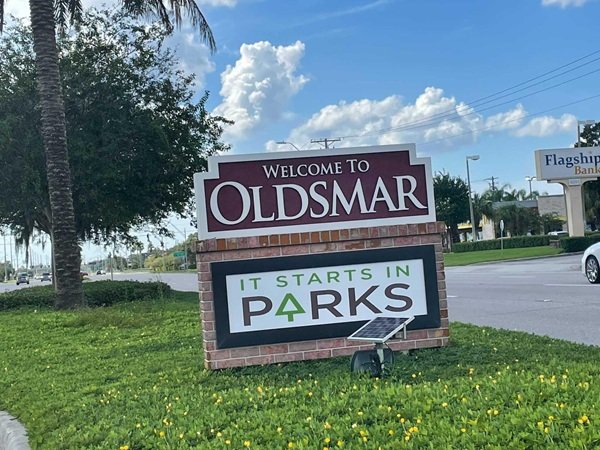
Tree care built around Oldsmar's canal-front lots, wetland conservation buffers, and mixed residential neighborhoods — serving areas near Tampa Bay Downs, East Lake Woodlands, R.E. Olds Park, and the surrounding canal system.
Oldsmar sits at the northern edge of Old Tampa Bay, and a network of residential canals threads through several of its neighborhoods, connecting backyard docks and seawalls out to open water. Trees on these canal-front lots grow in a different environment than a standard inland yard — root systems often sit in consistently moist, sometimes brackish-influenced soil near the seawall, and any work close to the water has to account for that seawall structure as much as the tree itself.
Away from the canals, Oldsmar's landscape shifts toward wetland and conservation buffers that were built into many of its subdivisions as part of their original stormwater and environmental planning. Cypress and other wetland-tolerant species show up more here than in drier inland communities, and low-lying pockets near creeks and drainage corridors hold water differently than higher ground on the same street. A tree that looks perfectly healthy in one of these buffers can still be growing in conditions that affect its long-term root stability.
The city's mix of older and newer development adds a third layer. Areas near Tampa Bay Downs include a blend of established trees and more open, semi-rural parcels, while golf-course-adjacent communities like those near East Lake Woodlands often come with their own landscaping guidelines affecting tree height and placement near fairways. Tree work planned near a shared community boundary sometimes needs to account for those rules in addition to the usual technical considerations covered on the tree trimming page.
Taken together, canals, wetlands, and golf-course frontage give Oldsmar a more varied set of tree-care conditions than its size might suggest.
Oldsmar covers a fairly compact footprint but includes several distinct settings, from canal-front waterways to golf-course-adjacent neighborhoods.
Residential streets with backyard canals connecting out to Old Tampa Bay, where seawalls and docks factor into tree work.
A mix of established residential trees and more open parcels near the racetrack and surrounding corridor.
Golf-course-adjacent neighborhoods with landscaping guidelines that can affect tree placement and height near fairways.
Public waterfront and nearby residential streets along the upper reaches of Old Tampa Bay.
Low-lying pockets near creeks and drainage corridors where cypress and other wetland-tolerant trees are more common.
Most tree work in Oldsmar falls into one of two general categories, depending on a property's relationship to the water or a nearby golf course.
Lots with a backyard canal or direct bay access deal with seawalls, docks, and consistently moist soil that shape how tree work near the water gets planned.
See arborist services for assessing root stability on near-water lots.
Homes farther from the canals, including those bordering a golf course or wetland buffer, tend to focus more on routine maintenance and community guidelines.
See tree trimming and stump grinding for the services most requested on these properties.
Tree work near an Oldsmar seawall calls for a different level of caution than a standard yard job. Roots from a mature tree can grow into or around seawall structures over time, and removing or heavily pruning that tree without accounting for the wall itself can create problems well beyond the tree — including potential seawall movement or drainage issues along the canal edge. Equipment access is often tighter on these lots too, particularly where a dock, lift, or narrow side yard limits how machinery can reach the work area.
Wetland and conservation buffers raise a different set of questions. Some of these buffers were established as a condition of a subdivision's original approval, which can mean removing or significantly altering vegetation within them requires more than a routine estimate — confirming requirements with the city or the applicable water management authority is worth doing before scheduling major work in one of these areas.
Golf-course-adjacent properties add a third layer specific to Oldsmar's mixed development pattern. Community or deed restrictions near a course like the one bordering East Lake Woodlands can affect how tall a tree is allowed to grow near a fairway or how close it can sit to a shared boundary, which is worth checking before finalizing a trimming or planting plan. Confirming all of these details during the estimate visit helps avoid delays once work is scheduled.
Between canal-front seawalls, wetland buffers, and golf-course frontage, a few specific warning signs are worth watching for on Oldsmar properties.
Visible root growth along or beneath a seawall can point to a tree that's begun affecting the structure itself.
A new lean in a low-lying, consistently wet area may signal shifting root anchoring rather than typical seasonal growth.
Trees along open canal stretches face more direct wind than sheltered inland yards, which can accelerate structural wear.
Overgrown canopy near a golf-course boundary may run afoul of community guidelines even if the tree itself is healthy.
Consistently wet ground near canals or wetland buffers can create favorable conditions for fungal growth at the base of a tree.
Saturated soil after a wet season can loosen root anchoring, particularly on lower-lying canal or wetland-adjacent lots.
Trees near a canal seawall often grow in consistently moist soil and can have roots that interact with the seawall structure itself, which is worth factoring into any removal or major pruning near the water. Access for equipment can also be tighter on canal lots with docks, lifts, or narrow side yards.
Properties near conservation buffers, retention areas, or wetland edges may be subject to additional review before certain trees can be removed, particularly where a buffer was established as part of a subdivision's original approval. Confirming with the city or the relevant water management authority before removal is worthwhile on these properties.
Properties near Tampa Bay Downs and the surrounding corridor include a mix of older, established trees and newer landscaping, and some parcels back up to open or semi-rural land. Tree work in this area can range from routine residential trimming to larger removals depending on the specific property.
Properties bordering a golf course, such as those near East Lake Woodlands, often have deed restrictions or community guidelines affecting tree height, placement, or removal near fairways and sightlines. Reviewing any applicable community rules before scheduling work can help avoid conflicts.
Low-lying areas near creeks and wetland buffers in and around Oldsmar tend to hold more moisture in the soil, which can support species like cypress but may also affect root stability for trees not naturally suited to consistently wet ground. An assessment can help determine whether a tree in this kind of setting is a long-term risk.
Requirements can vary depending on whether a property is public land, part of a conservation easement, or private waterfront property, and Oldsmar's own tree ordinances may apply in addition to any state or water management district rules. Confirming with the city before removal near the waterfront is the safest approach. See contact or service areas for more.
See the full list of services on the services page, or explore nearby coverage in Safety Harbor and other areas on the service areas page.
Quick Request
Can't connect with us by phone? Message us with the service you need. Send your request and we'll get back to you within 15 minutes.