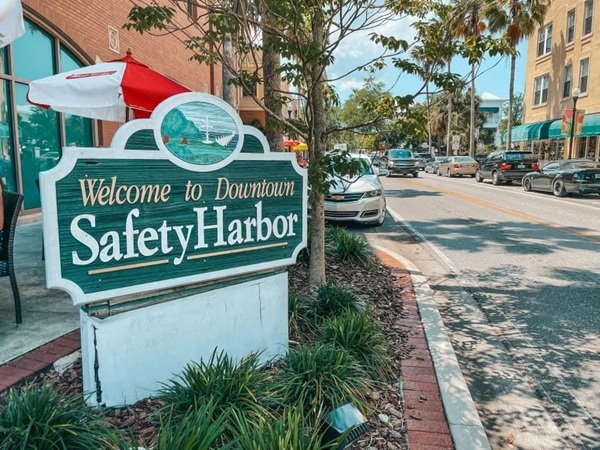
Safety Harbor, Florida

Tree Service in Safety Harbor, FL

Tree care built around Safety Harbor's Old Tampa Bay waterfront, dense historic-downtown canopy, and closely spaced residential streets — serving the Bayshore, downtown core, Philippe Park area, and the McMullen Booth corridor.

Tree service in Safety Harbor, Florida
A Small City on the Water

What Makes Safety Harbor Tree Care Different

Safety Harbor sits directly on Old Tampa Bay, and that shoreline position shapes tree care here in ways that don't apply to inland parts of the county. Properties closest to the water deal with more direct wind exposure and periodic salt-laden air, both of which can affect canopy condition over time in ways that are easy to overlook until a storm puts real stress on a tree that's been quietly weakened for years.

The city's small footprint and older street layout add a second layer to the picture. Safety Harbor's historic downtown and the residential blocks surrounding it were built out at a modest scale compared to the sprawling subdivisions common elsewhere in the Tampa Bay area, and the tree canopy along those streets has had decades to fill in and mature as a result. Large, closely spaced oaks along narrow residential streets are common, which means access and clearance planning matter more here than they would on a wide, newly built subdivision lot.

Downtown itself carries a different set of considerations again. The commercial core near Main Street sits close to Safety Harbor's spring-fed waterfront, and the mature trees lining those blocks are part of what gives the area its established, walkable character. Work near this part of the city often calls for extra care around sidewalks, brick paving, and building foundations that have been in place for decades, closely tied to the kind of precision described on the tree cutting page.

Between the waterfront exposure and the dense, older canopy inland from it, Safety Harbor tree work tends to reward a careful, site-specific look rather than a one-size-fits-all approach.

Areas We Serve

Safety Harbor Areas We Serve

Safety Harbor's compact footprint still covers a fairly distinct range of settings, from its waterfront edge to its inland residential streets.

Downtown Safety Harbor

The historic commercial core along Main Street, lined with mature shade trees and closely built storefronts.

Bayshore Waterfront

Properties along Old Tampa Bay facing more direct wind and salt-air exposure than inland lots.

Philippe Park Area

Residential streets near the waterfront park, where mature tree canopy meets the shoreline.

McMullen Booth Corridor

The main route through the city's eastern side, bordered by a mix of residential and commercial tree cover.

Southeast Residential Streets

Established neighborhoods inland from downtown with a dense, continuous residential canopy.

Two Common Situations

Waterfront Lots vs. Inland Residential Streets

Most tree work in Safety Harbor falls into one of two general categories, shaped by a property's distance from Old Tampa Bay.

Waterfront & Near-Shore Properties

Lots directly along the bay or close to it deal with more consistent wind exposure and occasional salt air, which can affect canopy condition and root stability over time.

  • Storm-focused structural pruning ahead of hurricane season
  • Risk assessment for trees showing salt or wind stress
  • Careful root evaluation on sandy or near-shore soil
  • Debris cleanup after storms moving in off the bay

See arborist services for evaluating trees with signs of wind or salt-related stress.

Inland Residential Streets

Homes farther from the shoreline, particularly near downtown and the older residential grid, tend to have a denser, longer-established canopy that needs routine attention.

  • Clearance trimming for closely spaced street and yard trees
  • Deadwood removal on long-established shade trees
  • Careful removal near sidewalks and older foundations
  • Stump grinding from prior removals on established lots

See tree trimming and stump grinding for the services most requested on these properties.

Site-Specific Planning

Working Near the Water & Historic Downtown

Tree work close to Old Tampa Bay comes with a few practical realities worth planning around. Equipment access on waterfront lots can be more limited than on a standard inland yard, particularly on properties with seawalls, docks, or landscaped shoreline that need to stay protected during the job. Wind conditions near open water can also shift quickly, which factors into how and when larger removals or heavy pruning get scheduled.

Downtown Safety Harbor presents a different kind of precision work. Mature trees growing close to brick sidewalks, storefronts, and decades-old building foundations need to be approached with more caution than a tree standing alone in an open yard — a careless cut or an uncontrolled drop near a commercial block can cause damage well beyond the tree itself. This is where the kind of controlled, section-by-section approach covered on the tree cutting page becomes especially relevant.

Between the two, confirming a property's exact location and access conditions during the initial estimate visit helps determine the right equipment and approach before a crew is scheduled, whether the job is a wind-stressed tree along the bay or a mature oak rooted next to a downtown sidewalk.

What To Watch For

Signs Worth a Closer Look in Safety Harbor

Between waterfront exposure, dense downtown canopy, and Safety Harbor's older residential streets, a few specific warning signs are worth watching for locally.

🌊

Salt or Wind Stress Near the Bay

Discolored or thinning foliage on waterfront trees can point to salt exposure or repeated wind stress over time.

🌳

Aging Downtown Shade Trees

Large, mature trees near Main Street can carry hidden decay after decades of growth in a busy urban setting.

🧱

Roots Near Sidewalks & Foundations

Trees growing close to older brick sidewalks or building foundations may need extra care during removal or major pruning.

📐

Leaning Trees After a Storm

A new or worsening lean following high winds off the bay is worth a structural check, especially on near-shore lots.

🍄

Fungal Growth at the Base

Mushrooms or shelf fungi on a trunk can indicate internal decay, particularly on older trees along established streets.

🏗️

Construction Near a Root Zone

Grading or trenching for a nearby renovation can stress a mature tree's roots even without touching the canopy.

Frequently Asked Questions

Safety Harbor Tree Service FAQs

Does salt exposure from Old Tampa Bay affect trees in Safety Harbor?

Trees closest to the shoreline can be exposed to salt-laden air, particularly during storms or periods of onshore wind, which can stress foliage and affect long-term canopy health more than trees set farther back from the water. Species tolerance and placement both factor into how much of a concern this is for a given property.

Are there protected or heritage trees in downtown Safety Harbor?

Safety Harbor's historic downtown core has a number of mature oaks and long-established canopy trees, and city regulations may protect certain species or sizes even on private property. Confirming requirements with the city before removing a large or old tree near downtown is worthwhile.

Do waterfront properties on Old Tampa Bay need different tree care?

Waterfront lots often deal with more direct wind exposure, salt air, and occasionally wetter or sandier soil near the shoreline compared to inland properties, all of which can affect how a tree is pruned or assessed for storm risk. A closer look at root stability is often worthwhile on lots directly along the water.

Can construction or renovation near Philippe Park affect nearby trees?

Grading, trenching, and heavy equipment near a mature tree during a nearby renovation or addition can stress or damage roots even if the canopy itself is untouched. Trees close to a planned construction footprint often benefit from protective measures put in place before work begins.

Does Pinellas County regulate tree removal in Safety Harbor?

Safety Harbor is an incorporated city within Pinellas County, and tree removal on private property is generally governed by city ordinance rather than county rule. Certain protected species and sizes may require a permit before removal, so confirming with the city before work begins is worthwhile.

How does Safety Harbor's canopy compare to nearby Clearwater or Tampa neighborhoods?

Safety Harbor's residential streets, particularly around its historic core, tend to have a denser, more continuous tree canopy than many newer subdivisions nearby, a result of the city's smaller footprint and older street layout. That density affects everything from trimming access to how much shade a given yard actually gets. See contact or service areas for more on coverage nearby.

Related Services

Services Commonly Requested in Safety Harbor

See the full list of services on the services page, or explore nearby coverage in Carrollwood and other areas on the service areas page.

Need Tree Service in Safety Harbor?

Request a Free Estimate Today