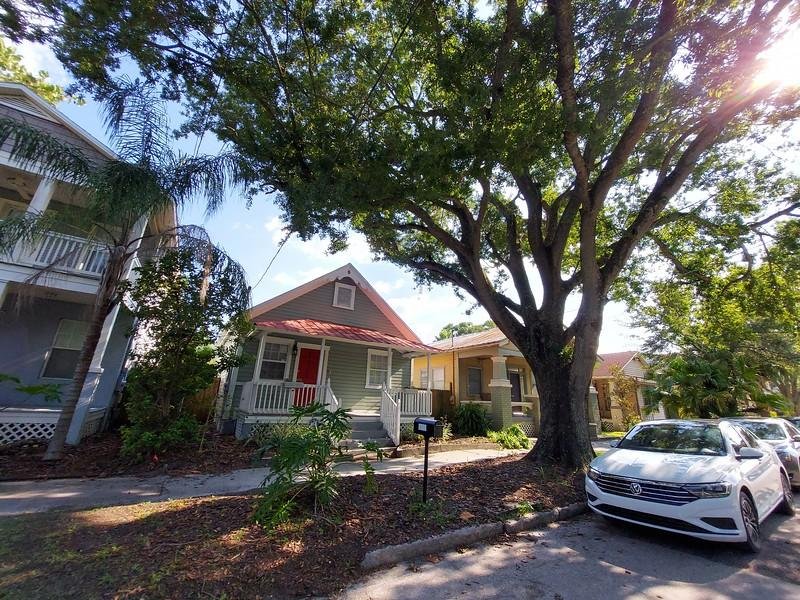
West Tampa, Florida

Tree Service in West Tampa, FL

Tree care built around West Tampa's narrow historic bungalow lots, rear-alley utility lines, and ongoing infill redevelopment — serving MacFarlane Park, Jefferson Heights, North Hyde Park, Carver City-Lincoln Gardens, and Riverside Heights.

Tree service in West Tampa, Florida
A Historic Grid in Transition

What Makes West Tampa Tree Care Different

West Tampa was laid out in the late 1800s and early 1900s as its own incorporated city built around the cigar industry, with a tight street grid of small bungalow and shotgun-house lots designed for walking, not driveways. That original layout is still largely intact today, which means tree work here is shaped as much by lot geometry as by the trees themselves.

What sets West Tampa apart from many other parts of the city right now is the pace of change happening within that historic grid. Older homes are being renovated or torn down and replaced at a steady rate across neighborhoods like MacFarlane Park and Jefferson Heights, and every one of those projects raises the same question for whatever trees are already on the lot: which ones can be preserved through construction, and which ones are in the way of the new footprint.

Narrow lots complicate both sides of that question. A tree close to a property line in West Tampa often sits within a few feet of where new construction, a fence, or a driveway extension is planned, leaving little room for equipment or for a tree's root zone to be protected during grading. Sectional cutting and controlled access are frequently the only realistic options on these blocks.

None of this is unique to redevelopment lots — plenty of long-owned West Tampa homes have mature trees that simply need routine trimming or a structural prune. But the mix of century-old lot lines and active construction is what distinguishes tree care planning in West Tampa from newer, more spread-out parts of the county.

Neighborhoods

West Tampa Neighborhoods We Serve

West Tampa spans several distinct pockets, each shaped by its own mix of original bungalow stock, infill construction, and proximity to the Hillsborough River.

MacFarlane Park

A mix of original cigar-era bungalows and newer infill homes on the same tight, historic lot lines.

Jefferson Heights

Small, closely spaced lots with a steady rate of renovation and rebuild activity in recent years.

North Hyde Park

Bordering the historic Hyde Park area, with a similar narrow-lot layout and a growing share of new construction.

Carver City-Lincoln Gardens

A long-established residential community with mature street trees planted decades ago along its grid layout.

Riverside Heights

Lots closer to the Hillsborough River, where soil moisture and periodic flooding can factor into root stability.

Two Common Situations

Redevelopment Lots vs. Established Homes

Most tree care requests in West Tampa fall into one of two categories, driven largely by whether a property is being renovated or has been in the same hands for years.

Redevelopment & Infill Lots

Properties being torn down and rebuilt, or significantly renovated, raise questions about which existing trees can realistically be kept once the new footprint, driveway, and utilities are planned.

  • Pre-construction tree health and preservation assessment
  • Removal coordinated with demolition or grading timelines
  • Root zone protection for trees meant to survive construction
  • Permit confirmation for protected species before removal

See arborist services for the assessment work that typically comes before a redevelopment plan is finalized.

Established, Long-Owned Homes

Homes that haven't changed hands in years often have trees that have simply outgrown their original space, or that need attention after being overlooked for a while.

  • Canopy thinning and clearance from rooflines
  • Deadwood removal on trees with a longer maintenance gap
  • Stump grinding from trees removed years earlier
  • Routine trimming to bring a yard back into shape

See tree trimming and stump grinding for the services most often requested on these properties.

Access & Logistics

Alleys, Utility Lines & Tight Access

Many West Tampa blocks were built with rear alleys, and in a fair number of cases those alleys still carry the utility lines that serve the block, rather than the street out front. That matters directly for tree work, since a tree near the back of a lot may have overhead power lines running close to its canopy in a spot that isn't obvious from the street.

Trimming or removing a tree near an alley-run utility line is not something to approach casually — contact with an energized line can be fatal, and in many cases the utility company needs to be looped in before work starts near their infrastructure. This is closely tied to the safety practices described on the tree cutting page, but the alley-specific layout in West Tampa makes it worth flagging on its own.

Beyond utilities, the alleys themselves are often too narrow for larger trucks or a stump grinder to access directly, which can mean equipment has to be brought in from the front of the lot instead, or work has to be done with smaller, more maneuverable tools. Confirming access during the initial estimate visit avoids surprises once a crew is scheduled.

What To Watch For

Signs Worth a Closer Look in West Tampa

Between older street trees, alley utility exposure, and active construction nearby, a few specific warning signs are worth watching for on West Tampa properties.

🏗️

Construction Near a Root Zone

Grading, trenching, or heavy equipment near a tree on an adjacent redevelopment lot can stress or damage roots even without touching the canopy.

⚡

Canopy Near Alley Power Lines

Branches growing into rear-alley utility lines are a hazard that should only be addressed by trained professionals.

🌊

Soft Ground Near Riverside Heights

Saturated soil after heavy rain on lots closer to the Hillsborough River can loosen root anchoring over time.

🍂

Deadwood on Long-Unmaintained Trees

Trees on properties without recent trimming often carry more deadwood than expected once someone finally looks up.

🏚️

Stumps From Prior Removals

Old stumps left behind by previous owners are common on established West Tampa lots and can attract pests over time.

📐

Trees Leaning Toward New Construction

A tree with an existing lean near a new build site deserves a structural check before work continues nearby.

Frequently Asked Questions

West Tampa Tree Service FAQs

Does new construction in West Tampa require tree removal permits?

Redevelopment and teardown-rebuild projects are subject to the same City of Tampa tree protection rules as any other property, and certain species and sizes may require a permit before removal, even for a lot being cleared for new construction. Confirm requirements with the city before demolition or grading begins.

Why are so many West Tampa lots so narrow?

West Tampa was platted in the early 1900s as a dense, walkable cigar-factory town, and many original bungalow and shotgun-house lots are narrower than typical suburban lots built decades later, which limits clearance around trees near property lines.

Do utility lines along West Tampa alleys affect tree trimming?

Many blocks have utility lines running along rear alleys rather than the street, so trees near the back of a lot may need trimming coordinated around overhead power lines. This work should only be handled by trained professionals.

What happens to mature trees when an older West Tampa home is redeveloped?

Whether a mature tree stays or goes usually depends on its species, condition, and location relative to the planned structure. A tree health assessment before demolition or site planning can clarify which trees are worth preserving. See arborist services for more.

Are West Tampa properties near the Hillsborough River more prone to tree issues?

Pockets of West Tampa near Riverside Heights and the river can experience wetter soil conditions than blocks farther away, which can affect root stability during heavy rain. These trees may benefit from more frequent structural review.

Can construction work damage nearby trees during a renovation?

Yes. Heavy equipment compacting soil over a root zone, grade changes, and utility trenching can all stress or damage a tree even if the canopy isn't touched. Trees meant to be preserved often need protective measures in place before work begins.

Related Services

Services Commonly Requested in West Tampa

See the full list of services on the services page, or explore nearby coverage in South Tampa and other areas on the service areas page.

Need Tree Service in West Tampa?

Request a Free Estimate Today